
The Allure of Gambling: A Psychological Perspective
The appeal of casino gambling is deeply intertwined with various psychological factors that create a compelling and engaging experience for many. One primary element is the thrill associated with taking risks. The excitement of uncertainty tied to games of chance unleashes adrenaline, which can lead to powerful emotional responses. This rush activates the brain’s reward centers, creating a cycle where the anticipation of winning becomes an addictive experience, especially when players explore platforms like australian online casino instant withdrawal , enhancing their overall gaming adventure. As players savor the euphoric highs of potential wins, they often find themselves drawn back to gambling for that same rush, perpetuating a cycle of play that can be hard to escape.
Another significant aspect of gambling’s allure is the concept of escapism. For numerous individuals, casinos serve as a refuge from the pressures and challenges of daily life. The vibrant atmosphere, filled with bright lights and enticing sounds, offers a distraction that allows players to temporarily forget their worries. This environment can be particularly appealing to those facing personal struggles, as they may use gambling as a means to cope with stress or emotional pain. Over time, relying on gambling for escapism can mask deeper psychological issues, leading to a complex relationship with the activity that can be difficult to navigate.
Cognitive biases heavily influence how players engage with gambling. Many individuals possess a skewed understanding of their chances of winning, often falling prey to the illusion of control or the gambler’s fallacy. For example, players may mistakenly believe that past outcomes can alter future results, prompting them to make irrational betting choices based on flawed logic. This cognitive dissonance can extend the duration of play, as individuals cling to hope that their fortunes will change, which can further entrench them in gambling behaviors that may not serve their best interests.
The Social Dynamics of Casino Gambling
The social environment within casinos significantly shapes gambling behavior and habits. Casinos are designed to promote interaction among players, creating a sense of community that enhances the overall experience. Shared excitement during big wins, group games, and social gatherings contribute to an atmosphere that fosters camaraderie. This communal aspect can make gambling feel more rewarding, prompting individuals to return not just for the games but also for the social connections they develop.
Furthermore, casinos frequently employ marketing strategies that amplify social pressure to gamble. Promotions for high-stakes events, loyalty programs, and exclusive VIP services can create feelings of belonging and entitlement among players. This social validation can further entrench individuals in a cycle of gambling, as they begin to identify with the casino culture and feel compelled to maintain their status within the community. The desire to fit in and be recognized can lead individuals to engage in more gambling activities than they initially intended, blurring the lines between recreation and compulsion.

Peer influence also holds considerable sway over gambling behavior. Friends and family who gamble can entice others to join, particularly when gambling is framed as an enjoyable social activity. This dynamic can create a social norm where gambling becomes an accepted pastime, making it more likely for individuals to participate. The combination of social validation and the desire to conform to group behaviors can lead to increased gambling, sometimes veering into problematic habits as the social context encourages continued engagement.
The Role of Emotions in Gambling Decisions
Emotions play a crucial role in shaping decision-making processes during gambling, often leading to choices that are not entirely rational. The excitement and euphoria experienced during winning streaks can lead players to take on larger risks, betting amounts that exceed their normal limits. Conversely, negative emotions such as frustration or disappointment from losses may prompt individuals to chase after their losses, driven by the hope of recouping what they have lost. This emotional rollercoaster can cloud judgment, resulting in actions that jeopardize financial stability and overall well-being.
Research indicates that a player’s mood can directly influence their gambling behavior. Those experiencing positive emotions may feel emboldened to gamble larger sums, while individuals in a negative emotional state might resort to gambling as a means of altering their fortunes. Recognizing these emotional triggers is essential for players, as self-awareness can help mitigate impulsive decisions that arise from emotional highs and lows during play.
Additionally, the collective emotions of a crowd within a casino can shape individual behaviors. The energy of fellow players can elevate excitement levels, creating an atmosphere that encourages more aggressive betting. Players might feel compelled to align their actions with the excitement of those around them, risking larger amounts in hopes of matching the enthusiasm they perceive. Understanding these social and emotional influences is vital for promoting safer gambling practices and supporting healthier decision-making for both players and the industry.
Gambling Addiction and Its Psychological Underpinnings
The issue of gambling addiction underscores the intricate psychological complexities associated with casino gambling. Research suggests that gambling can activate similar brain pathways as substance addiction, leading to compulsive behaviors that are challenging to control. The drive to chase losses and the thrill of risk create a powerful compulsion that often overrides rational thinking, resulting in significant financial and emotional consequences for individuals. This addiction can manifest in various ways, affecting relationships, mental health, and overall life satisfaction.
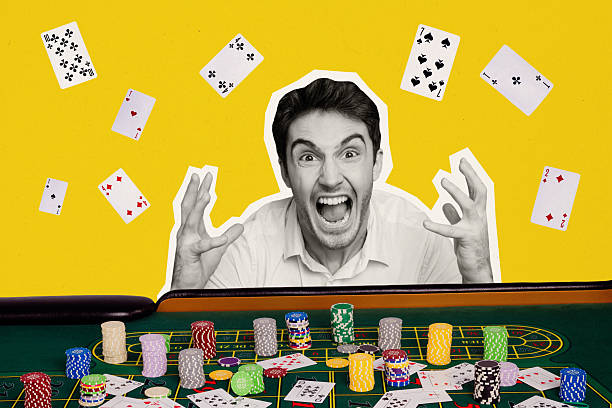
Several psychological theories help explain the roots of gambling addiction. The behavioral conditioning model, for instance, posits that the intermittent reinforcement of winning—even if it occurs infrequently—fuels the desire to continue gambling. Players are often driven by the need to replicate those rewarding experiences. Furthermore, cognitive-behavioral patterns can lead to distorted beliefs about gambling, where individuals maintain a sense of skill or luck despite accumulating losses. This cognitive distortion perpetuates the cycle of addiction, making it difficult for individuals to make sound decisions regarding their gambling behavior.
Recovery from gambling addiction typically requires addressing the psychological factors that contribute to the behavior. Therapeutic interventions, such as cognitive-behavioral therapy, aim to reshape distorted thinking patterns and promote healthier coping mechanisms. Support groups also provide crucial social networks for individuals seeking to overcome addiction, emphasizing the importance of addressing both psychological and social dimensions in recovery efforts. By fostering a supportive environment, individuals can work towards regaining control over their gambling behaviors and rebuilding their lives.
The Future of Responsible Gambling and the Role of Awareness
As awareness of the psychology behind casino gambling continues to grow, so too does the approach to responsible gambling. Many casinos now implement awareness programs designed to educate players about the risks associated with gambling and the psychological factors involved. These initiatives often stress the importance of self-awareness and setting personal limits, encouraging individuals to engage in responsible gambling practices that safeguard their mental health and financial stability. By fostering an environment of education, the industry can help mitigate some of the risks associated with gambling.
Technology is also playing an increasingly vital role in promoting responsible gambling. Many online platforms now offer tools that allow players to set limits on their spending and time, helping them maintain control over their gambling habits. Additionally, access to educational resources and support networks has expanded, providing players with the information they need regarding problem gambling and available resources for assistance. As the industry evolves, the shift towards a more mindful gambling experience is essential for fostering healthier engagement with casino gambling.
As conversations about gambling and its psychological implications intensify, it is crucial for players, operators, and regulators to prioritize mental health and overall well-being. By advocating for an environment that emphasizes responsible gambling, the industry can help reduce the risks associated with gambling addiction and promote healthier interactions with casino gambling. The collective effort to elevate awareness about the psychological elements of gambling contributes to a more sustainable and responsible gambling landscape, benefiting all stakeholders involved.